With summer heat already building across the South Sound, thousands of Pierce County and South King County homeowners are looking for ways to cool homes that were never designed for air conditioning. Ductless mini-split installers offer the fastest path to zoned comfort without tearing open walls or ceilings to run ductwork. Choosing the right installer determines whether your system runs efficiently for a decade or becomes an expensive headache by next summer.
The Rise of Ductless Mini Splits in Western Washington
Why Puget Sound Homeowners are Switching to Mini Splits
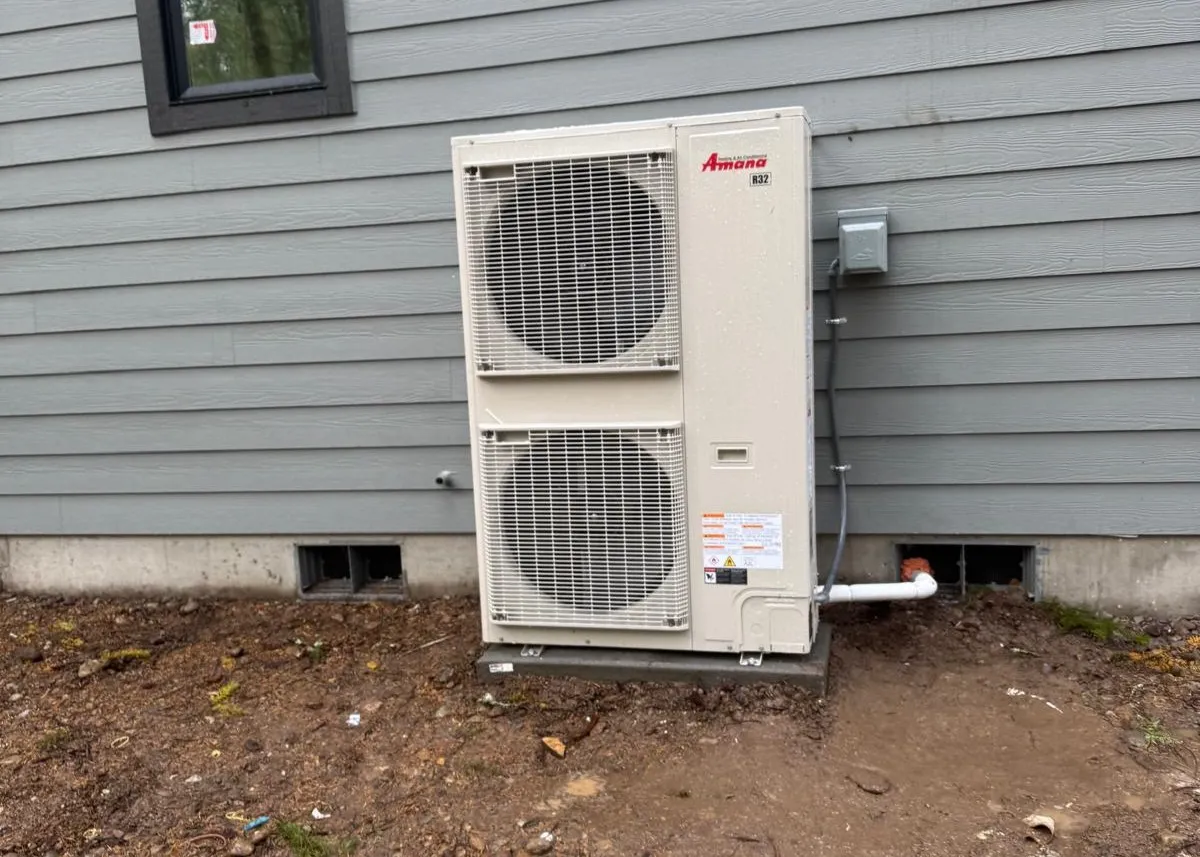
Many homes built before 2000 in the South Sound region rely on forced-air furnaces with no cooling component. Adding central AC to these homes means running new ductwork through tight crawlspaces and finished walls, a process that’s invasive and costly. Mini splits eliminate that problem. A single outdoor compressor connects to one or more indoor air handlers via a small refrigerant line, which requires only a 3-inch hole in the wall. Homeowners get room-by-room temperature control without a major renovation.
Dual-Season Climate Control: One System for Both Heating and Cooling
Mini-split heat pumps manage indoor temperatures year-round by controlling the direction of thermal energy. During a summer heat wave, the unit serves as an evacuation route for the heat trapped inside your rooms. When winter arrives, the process reverses, capturing the natural warmth even in freezing outdoor air and bringing it inside. This dual-action capability means South Sound residents only need to buy and maintain one setup for permanent, year-round comfort.
What to Look for in a Local Mini Split Installer
Licensing and Bonding Requirements in WA State
Washington requires HVAC contractors to hold a valid specialty contractor license and carry general liability insurance. Any ductless mini-split installer working in your home should provide their WA State HVAC/Refrigeration Specialty Contractors License number before work begins. Electrical work involved in mini-split installation also requires a separate electrical contractor license. Ask for both, and verify them through the Washington Department of Labor & Industries database. Bonding protects you financially if work is left incomplete or fails to meet code.
Expertise in System Sizing and Load Calculations
Correct system sizing is the single biggest factor in long-term performance. An oversized unit short-cycles, wasting energy and failing to dehumidify properly. An undersized unit runs constantly without reaching your desired temperature. Qualified installers perform Manual J load calculations that account for square footage, insulation R-values, window orientation, ceiling height, and occupancy patterns. Phone-based estimates skip these critical measurements. Always insist on an in-home evaluation before signing any proposal.
Clean Work Practices and Property Protection
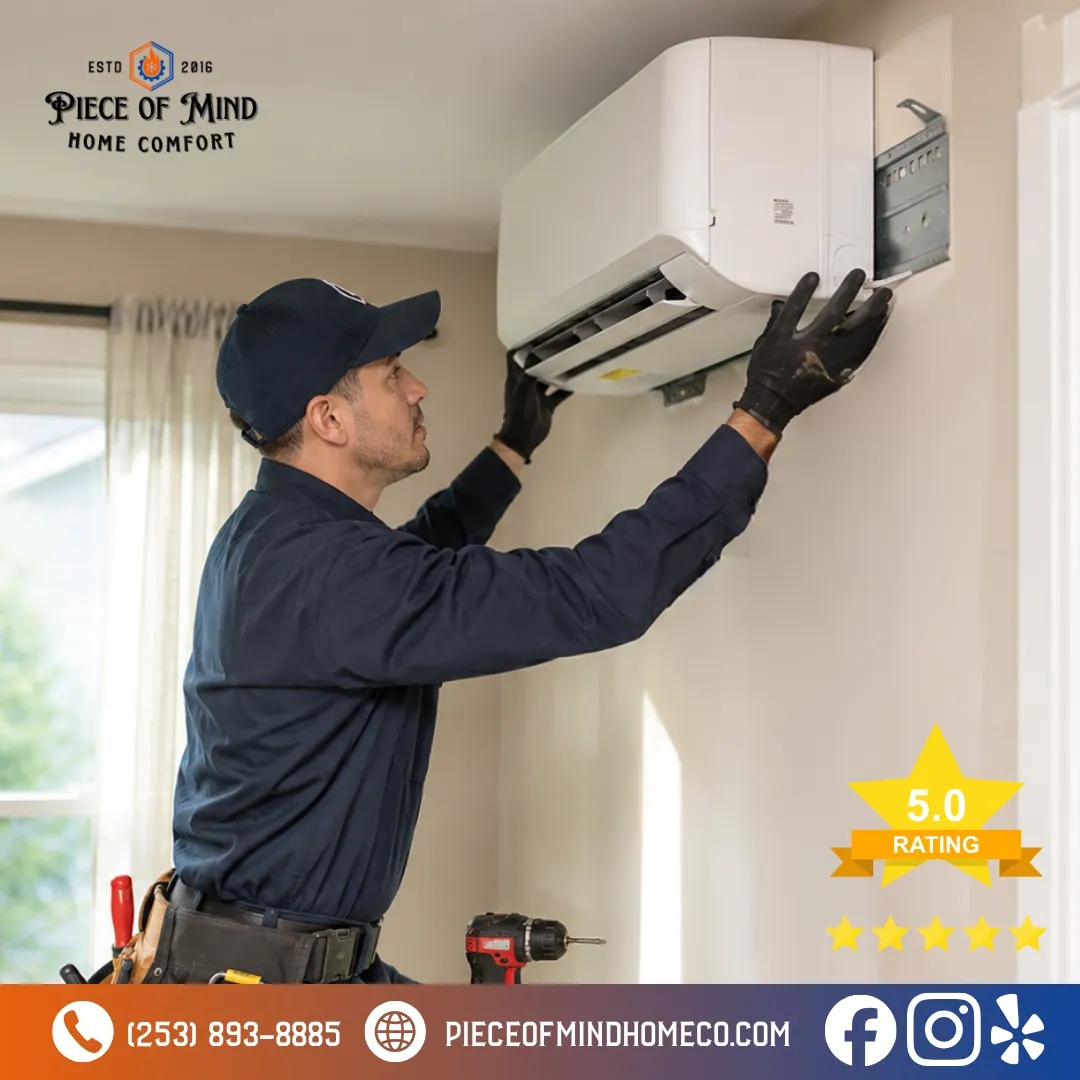
Professional installers use shoe covers, drop cloths, and careful debris management throughout the job. Mounting indoor units requires drilling into walls, running refrigerant lines, and making electrical connections. Without proper care, these steps can damage drywall, flooring, and landscaping. Request an itemized proposal that includes cleanup and property protection as line items so expectations are clear from day one.
The Professional Installation Process
Initial Space Assessment and Layout Planning
The process starts with a thorough evaluation of your home’s layout, comfort priorities, and existing electrical capacity. Installers review room sizes, identify the best wall locations for indoor units, and determine where the outdoor compressor should sit for optimal performance and minimal noise impact.
Indoor and Outdoor Unit Placement for Optimal Airflow
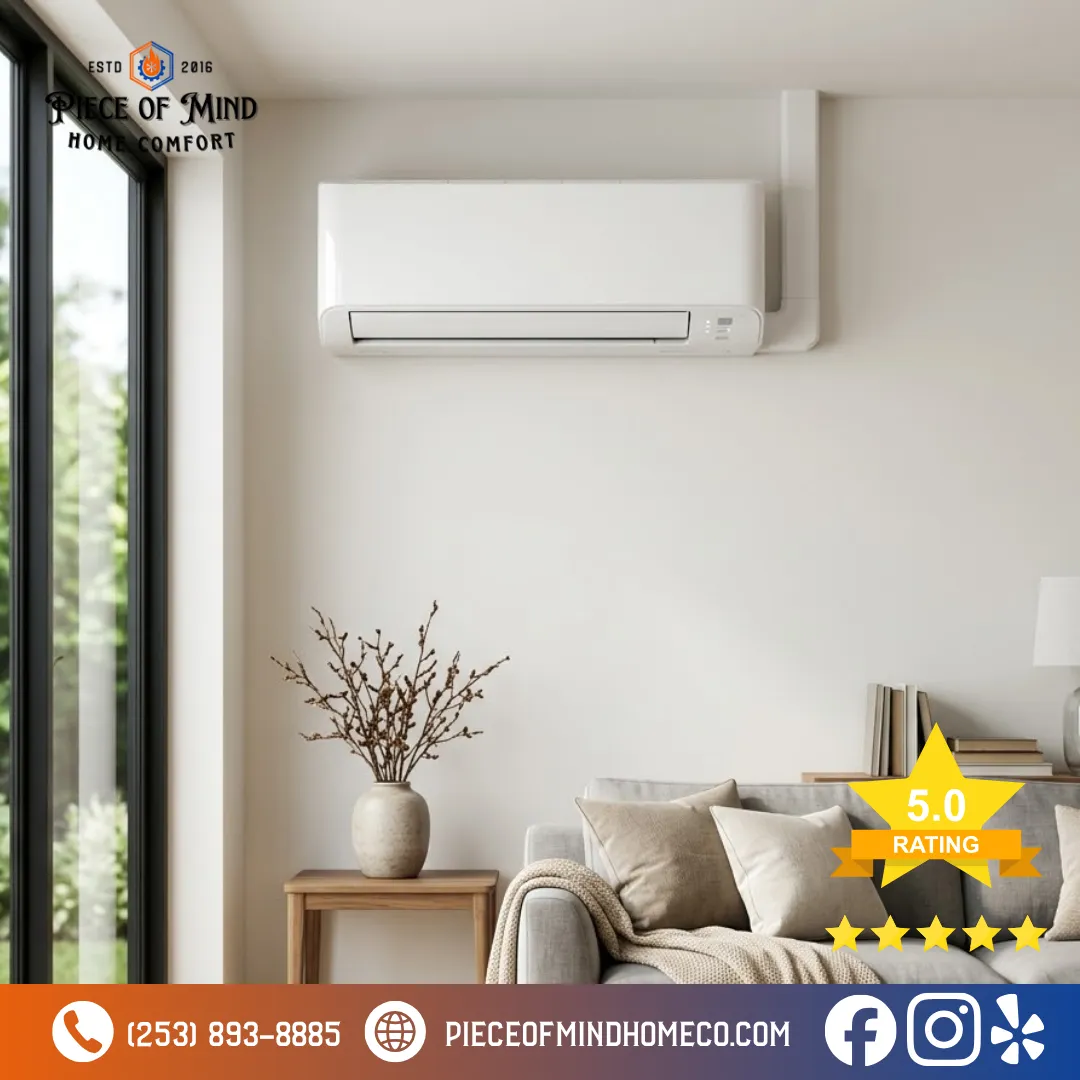
Indoor air handlers work best when mounted high on a wall with unobstructed airflow across the room. Outdoor compressors need adequate clearance from walls, vegetation, and other structures. Proper placement prevents hot spots, reduces noise transfer into living spaces, and ensures the system cycles efficiently during peak summer demand.
System Testing and Homeowner Walkthrough
After installation, the team tests heating and cooling modes, checks refrigerant levels, and verifies all electrical connections. A thorough walkthrough covers thermostat programming, filter maintenance, and remote control operation so you’re confident using the system from day one.
Maximizing Efficiency and Air Quality
Integrating Advanced Air Filtration Improvements
Mini splits include built-in filters, but upgraded filtration options can capture finer particles without restricting airflow. Piece of Mind Home Comfort evaluates filter compatibility and airflow balance during installation, ensuring your system improves indoor air quality while maintaining peak performance through the hottest months.
Maintaining Your System for Longevity
Regular upkeep ensures your ductless equipment operates at peak efficiency throughout its full 15 to 20-year lifespan. Homeowners can handle basic tasks like rinsing the indoor air filters each month and clearing leaves away from the outdoor compressor. For deeper protection, a professional tune-up every spring catches minor performance drops before they turn into expensive emergency repairs.
Your Next Step Toward Zoned Comfort
Summer in the South Sound is no longer mild enough to ignore the need for cooling. The right installer protects your investment with proper sizing, clean craftsmanship, and ongoing support.
Call Piece of Mind Home Comfort at (253) 893-8885 to schedule an evaluation with one of the most trusted ductless mini-split installers in Western Washington.