Summer heat across the South Sound hits hard, and a properly sized cooling system is the difference between comfort and frustration. Getting an accurate AC installation estimate starts well before any equipment arrives at your home. The process depends on honest assessments, transparent pricing, and a contractor who understands the variables unique to your property. Here’s what Pierce County and South King County homeowners need to know before signing anything.
The Importance of On-Site Assessments for Accurate Estimates
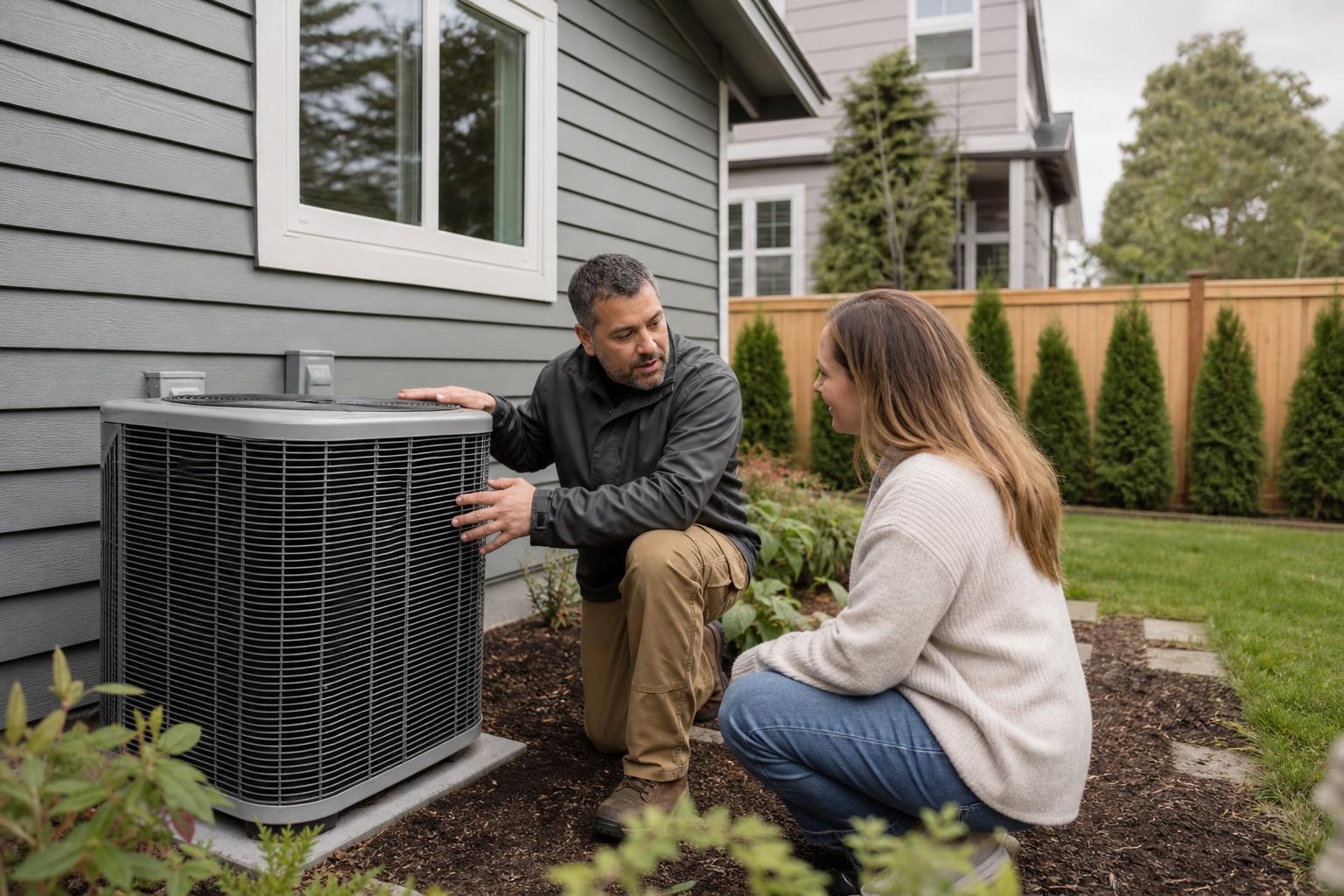
A phone quote or online calculator can only get you so far. Real accuracy requires a technician to walk through your home, measure rooms, check insulation, and inspect existing ductwork. Without this step, you risk surprise change orders and mismatched equipment that costs more to run over time.
Evaluating Home Layout and Cooling Requirements
Your windows, insulation levels, and ceiling heights directly affect how much heat your home traps. A qualified technician checks these physical features, along with your family size and appliances, during an in-person walkthrough. Piece of Mind Home Comfort uses these exact numbers to run a Manual J calculation. Finding your true BTU requirement ensures you get a perfectly matched system based on data, not assumptions.
The Role of System Sizing in Performance and Efficiency
An oversized AC unit cycles on and off too frequently, wasting energy and creating uneven temperatures. An undersized unit runs constantly without reaching your desired comfort level. Correct sizing, based on an in-person evaluation, ensures the system operates within its designed parameters. The result is lower utility bills and fewer repair calls during the hottest weeks of the year.
Factors That Influence AC Installation Costs
Every installation costs a different amount. Knowing exactly what you’re paying for makes it easy to compare bids side by side and spot lowball quotes that omit necessary work.
Choosing Between Traditional Central Air, Heat Pumps, or Ductless Systems
-
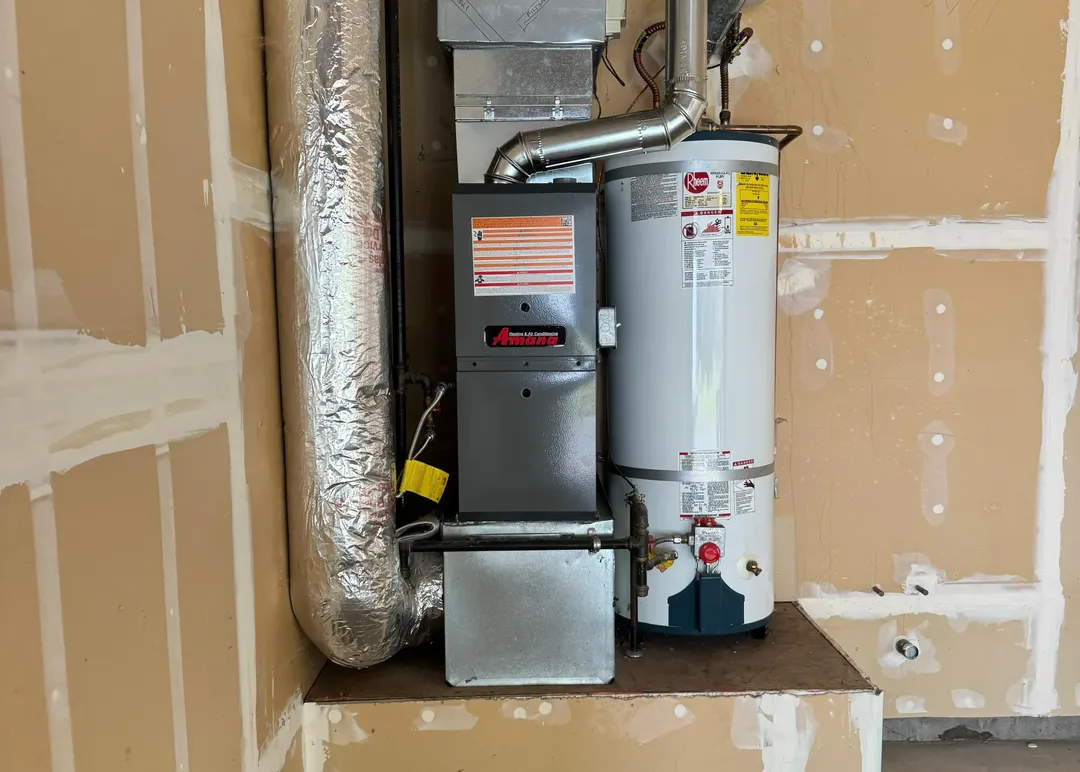
Central air conditioning works well in homes with existing ductwork and provides whole-home cooling.
-
Heat pumps keep your home cool in July and warm in January. This makes them a perfect standalone system for Western Washington’s moderate weather.
-
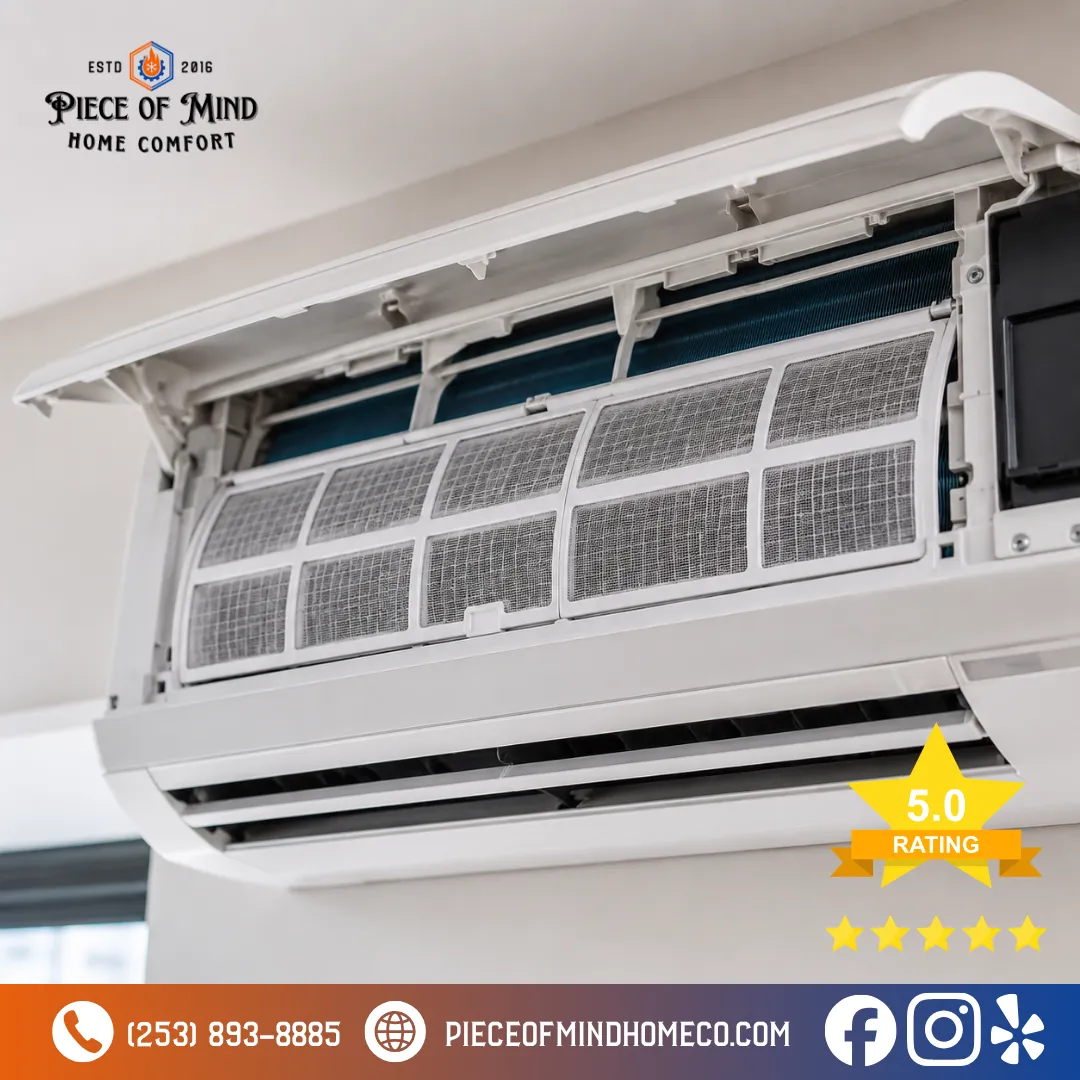
Ductless mini-splits offer flexible, zone-based comfort for rooms where running ductwork isn’t practical.
Each system type carries different equipment costs, labor requirements, and efficiency ratings (measured by SEER2). Your estimate should clearly state which system is being quoted and its projected energy performance.
Refrigerant Line Setup and Drainage Configuration
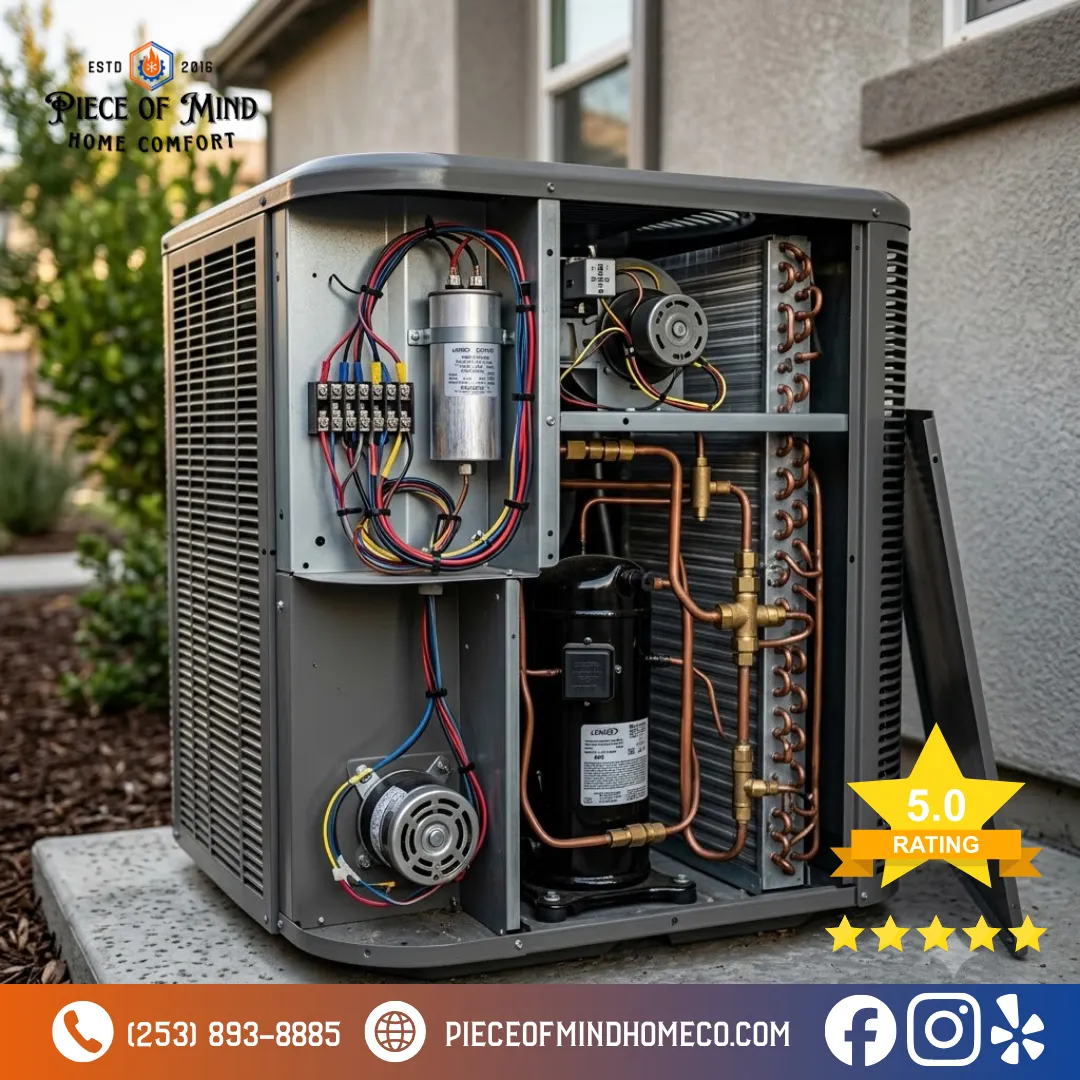
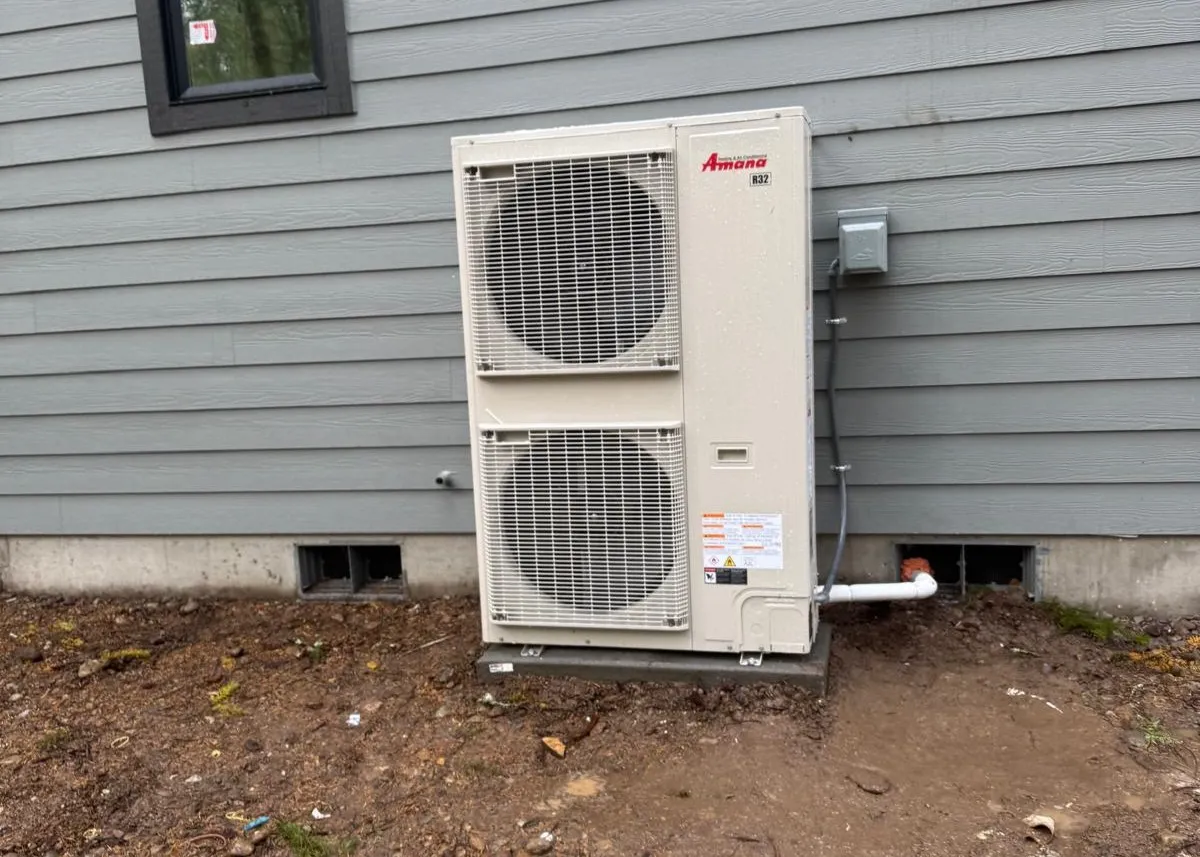
Refrigerant lines connect indoor and outdoor components, and their length and routing affect both cost and system efficiency. Proper drainage configuration prevents condensate from pooling near your foundation or inside walls. These details should appear as individual line items in any estimate you receive.
Electrical Connections and System Control Settings
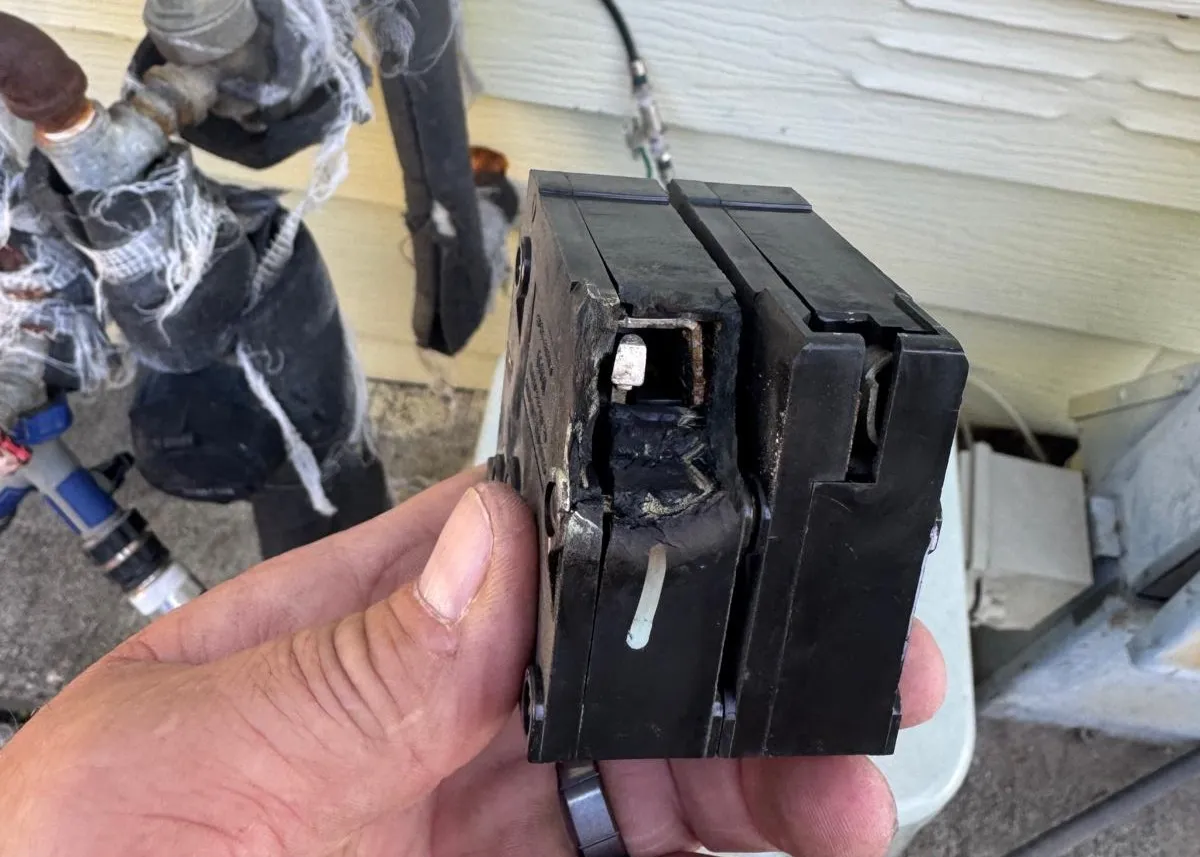
Most AC installations require a dedicated electrical circuit. Older homes in Pierce County may need a panel upgrade to handle the additional load safely. Your estimate should account for all wiring, breaker additions, thermostat setup, and system control configuration. Piece of Mind Home Comfort is a licensed electrical contractor, which means they handle both the HVAC and electrical sides of the project without subcontracting.
Comparing Quotes: What Should Be Included
A reliable estimate for AC installation should be itemized, not a single lump-sum number. Request detailed proposals from at least two contractors and compare them category by category.
Equipment Removal and Site Preparation
Your quote should specify whether the removal and disposal fees for old equipment are included. Site preparation, such as pouring a new condenser pad or modifying ductwork, should also be listed separately so you can see exactly where your money goes.
Air Filtration Compatibility and Airflow Testing
A new system paired with an old, restrictive filter creates unnecessary strain. Your contractor should evaluate existing filtration and recommend compatible options that maintain proper airflow. Post-installation airflow testing confirms the system delivers balanced cooling to every room.
Post-Installation Walkthrough and Performance Checks
Any quality installation includes a full system test and a walkthrough with the homeowner. This covers thermostat operation, filter location, and maintenance expectations. Ask whether the contractor offers a maintenance plan to preserve efficiency and catch small issues before they become expensive repairs.
Vetting Your Contractor for Reliability and Safety
Verifying Licensing, Bonding, and Insurance
Washington requires technicians to hold separate licenses for refrigeration work and electrical wiring to install a cooling system legally. You can verify these credentials directly on the Department of Labor & Industries website. Choosing a contractor with active bonding and insurance keeps you fully protected from financial liability if an accident happens during the project.
Identifying Clean Work Practices and Professional Standards
Reputable contractors use shoe covers and drop cloths, clean up daily, and treat your home with the same care they’d give their own. Check recent reviews for mentions of professionalism, punctuality, and communication. Five-star reputations are earned through consistent behavior, not marketing.
Finalizing the Installation Plan for Long-Term Value
Buying the right cooling system protects your home comfort and your wallet for the next 15 to 20 years. Work only with licensed Washington State contractors who provide detailed, line-by-line quotes and in-person home inspections.
Call Piece of Mind Home Comfort at (253) 893-8885 to schedule your AC installation estimate and beat the summer heat.